 es
es
 pt
pt
 it
it
Microplastics Restrictions in the EU: Regulation (EU) 2023/2055 and REACH

On October 17, 2023, Regulation (EU) 2023/2055 entered into force in the European Union, as part of the REACH framework, representing a key step forward in reducing microplastics pollution.
This regulation on microplastics restrictions in the EU focuses on synthetic polymer microparticles that are intentionally added to products.
These microplastics are characterized as organic compounds, insoluble and highly resistant to degradation, with a particle size of less than 5 mm.
Their persistence in the environment makes them a risk to ecosystems, which has driven the EU to establish stricter restrictions on their use.
What is an SPM under REACH?
An SPM (Synthetic Polymer Microparticle) is a synthetic polymer microparticle that simultaneously meets the following criteria:
Size: particles < 5 mm in at least one dimension
Form: solid or semi-solid at room temperature
Insolubility: not soluble in water
Non-degradable: not biodegradable according to established criteria
Intentionally added: present in the product by design, not as a residue or impurity
Examples of SPM
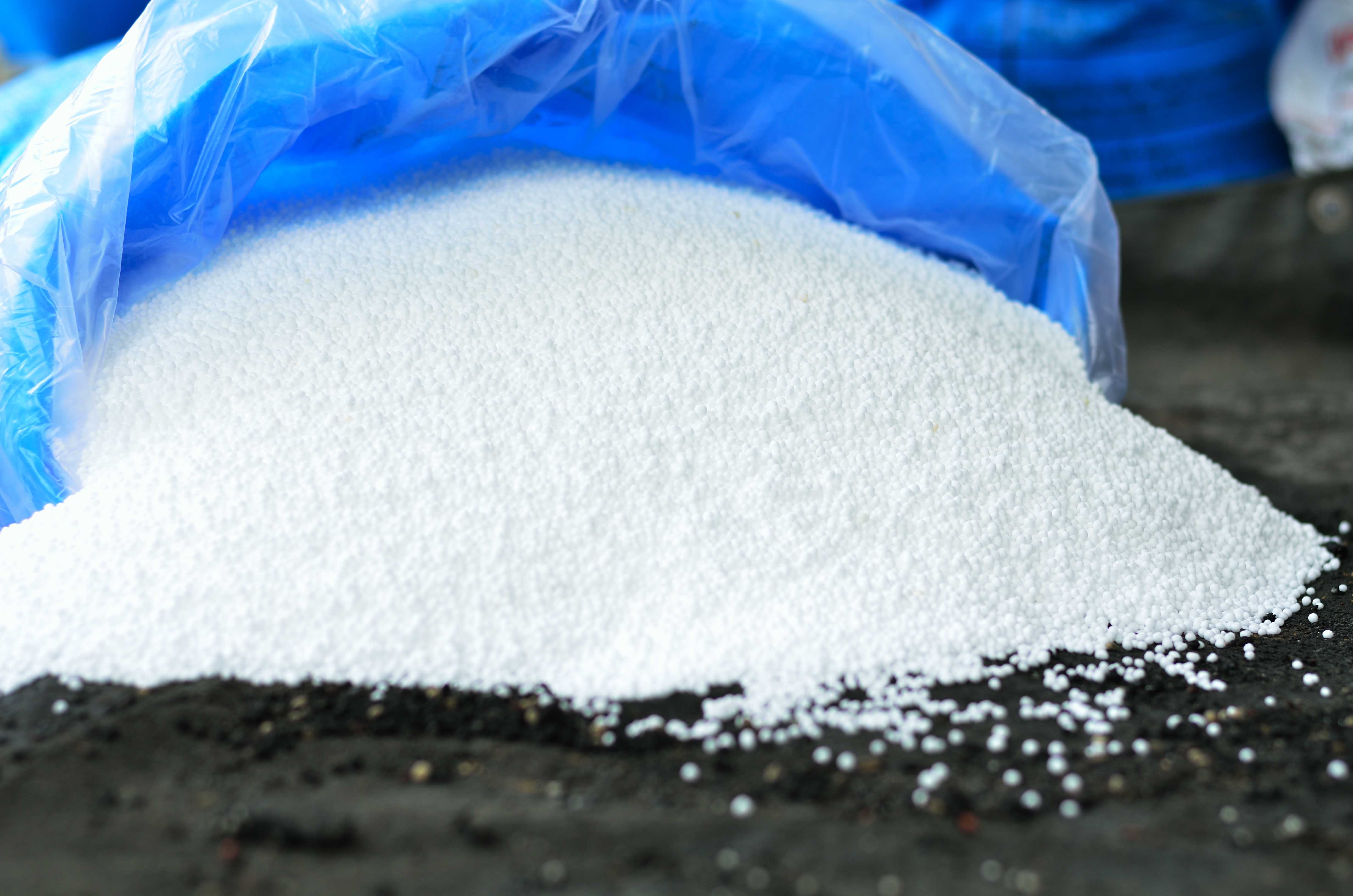
Plastic granules, pellets, flakes, and powders
Exfoliating microbeads
Polymers encapsulated in detergents, fertilizers, or cosmetics
Examples that are not SPM
Polymers dissolved in a liquid matrix
Biodegradable polymers according to REACH criteria
Polymers not in particle form
Natural materials (starch, sugar, cellulose)
Microplastics emission reporting requirements in the EU
Regulation (EU) 2023/2055, which introduces the obligation to report the release of microplastics into the environment, is a key component of the European Union’s main sustainability strategies.
Paragraphs 11 and 12 of Entry 78 of Annex XVII of REACH establish notification obligations for different actors in the SPM supply chain.
Each year, before May 31 (starting in 2026 or 2027 depending on the use), manufacturers, industrial downstream users, and suppliers of SPM must submit to ECHA information on estimated emissions from the previous year.
Reporting deadlines under the microplastics regulation
Deadlines for data submission depend on the type of activity:
Before May 31, 2026:
Manufacturers and industrial downstream users using SPM in the form of granules, flakes, or powders as raw materials to manufacture plastics.
In 2026, they must report emissions from 2025.Before May 31, 2027:
Other manufacturers and industrial downstream users using SPM in industrial installations.
In 2027, they must report emissions from 2026.Before May 31, 2027:
Suppliers of products containing SPM intended for professional users or the general public.
In 2027, they must report emissions and related data corresponding to 2026.
Strategic context: reducing microplastics in the EU
This regulation aligns with initiatives such as:
European Plastics Strategy
Circular Economy Action Plan
The 2030 target aims to reduce microplastics release by 30%.
All these strategic lines converge toward a common goal: significantly reducing the presence of microplastics in the environment and strengthening environmental protection.
How to correctly apply REACH Annex XVII Entry 78
Entry 78 of Annex XVII of REACH marks a turning point in microplastics management within the European Union.
Its objective is to drastically reduce the release of synthetic polymer particles into the environment.
To achieve this, it introduces a strict regulatory framework affecting manufacturers, importers, and downstream users.
The core principle is clear: the placing on the market of microplastics (SPM) intentionally added to mixtures or products is prohibited in the EU.
This restriction affects sectors such as:
Cosmetics
Detergents
Agriculture
Paints
Cleaning products
Industrial materials
However, the regulation acknowledges that in some applications, immediate substitution is not feasible.
Implementation timeline of microplastics restrictions in the EU
Product type | Application date |
Rinse-off products (skin, hair, or mucous membranes), except those containing exfoliating microbeads | October 17, 2027 |
Detergents, waxes, polishes, and air care products (without microbeads) | October 17, 2028 |
Fertilizing products | October 17, 2028 |
Other agricultural and horticultural products | October 17, 2028 |
Microcapsules for fragrance encapsulation | October 17, 2029 |
Leave-on products (skin, hair, or mucous membranes) | October 17, 2029 |
Medical devices without microbeads | October 17, 2029 |
Plant protection products, treated seeds, and biocides | October 17, 2031 |
Granular infill for synthetic sports surfaces | October 17, 2031 |
Make-up, lip, and nail products (without microbeads) | October 17, 2035 |
Managing microplastics compliance with eQgest
To facilitate compliance, tools like eQgest enable centralized and regulation-compliant management of microplastics-related data.
A key solution for companies seeking efficiency and compliance in increasingly complex regulatory environments.
Discover how to optimize regulatory management and REACH compliance with eQgest. Contact our team for a personalized demo.

Receive regulatory updates straight to your inbox
Newsletter with updated chemical regulations, regulatory news from the sector, and upcoming webinars — carefully selected for professionals like you.